Healthcare exists to protect health, yet paradoxically, it is a major contributor to environmental harm. Globally, healthcare accounts for around 4.4% of net carbon emissions, generating vast amounts of waste through everyday clinical practices. For many clinicians, the scale of the problem can feel overwhelming. What can one ward, service, or team realistically change?
This article offers a reassuring answer. Rather than calling for large‑scale system redesign, the authors outline six practical, evidence‑informed practice changes that can be implemented at ward or service level. These changes include: adopting reusable tourniquets, reducing unnecessary glove use, recycling medication blister packs, promoting reusable nappies, using reusable or compostable blueys, and reintroducing stainless steel holloware. Together, they show how sustainability can be embedded into routine care without compromising safety, infection prevention, or patient experience.
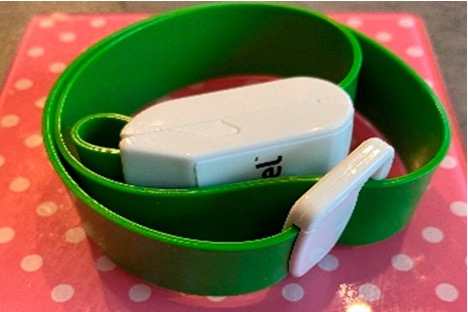
The six examples include switching to reusable tourniquets, reducing unnecessary glove use, recycling medication blister packs, promoting reusable nappies, replacing disposable “blueys” with reusable or compostable options, and reintroducing stainless steel holloware. While each change may appear small in isolation, their collective impact is significant – cutting waste, reducing emissions, and often saving money over time.
A recurring theme throughout the paper is that sustainability and quality care are not competing priorities. For example, reducing glove overuse is not only environmentally responsible but also improves hand hygiene and reduces infection risk. Reusable tourniquets and holloware can lower carbon emissions while addressing infection control concerns associated with poorly managed single‑use items. In several cases, staff preferred the reusable alternatives, valuing their durability and reliability.
Importantly, the paper highlights that procurement alone is not enough. Simply purchasing “greener” products does not guarantee sustainable practice. Successful change requires education, clear communication, appropriate infrastructure (such as correct waste streams), and feedback mechanisms to prevent items slipping back into general waste. Behaviour change – not just product substitution – is central.
The examples also align strongly with waste hierarchy and circular economy principles: first avoid unnecessary use, then reduce, reuse, and only recycle as a last step. This framing helps shift sustainability away from being seen as an optional add‑on and towards being recognised as part of safe, high‑quality, and responsible care.
Ultimately, this paper offers something many clinicians are looking for: practical, achievable actions that make sustainability visible and meaningful in everyday practice. It shows that healthcare workers are not powerless in the face of climate change — and that small, thoughtful changes at the bedside can contribute to much bigger system‑wide impacts.
Access the full article at: Catling, C. Crevacore, C., Young, M., Varndell, W., Cornish, J., Sheppard-Law, S. & Correia Moll, E. (2026). Sustainable healthcare in action: Six practice changes that make a difference. Collegian. https://doi.org/10.1016/j.colegn.2026.02.003